
The latest from Plausity

AI Executive Retention: Due Diligence Before an IPO
Due Diligence

AI Executive Retention: Due Diligence Before an IPO

Evaluating executive retention is a critical part of late-stage and IPO readiness due diligence. Discover how investors test leadership stability, uncover flight risks, and assess succession depth to protect enterprise value before a liquidity event.

Buyout GP-Led Secondaries Due Diligence: LP Guide
Due Diligence

Buyout GP-Led Secondaries Due Diligence: LP Guide

As GP-led secondaries reach a record $115 billion in volume, investors face complex conflicts of interest and valuation challenges. This guide breaks down how LPs and buyers can effectively diligence continuation vehicles, test GP alignment, and navigate rollover economics.

Regulated Vertical SaaS: Take-Private Diligence
Due Diligence

Regulated Vertical SaaS: Take-Private Diligence

As AI disruption reshapes software valuations, private equity is targeting regulated vertical SaaS for its compliance-driven moats and high switching costs. This guide details how to conduct take-private due diligence to verify workflow depth before paying a premium.

Medtech VC Due Diligence: Backing Surgical Devices
Due Diligence

Medtech VC Due Diligence: Backing Surgical Devices

Medtech venture capital requires specialized due diligence that goes beyond traditional financial checks. For surgical devices, investors must evaluate clinical evidence, map complex FDA pathways, and confirm reimbursement strategies before committing capital.

Private Markets Liquidity Drought Due Diligence
Due Diligence

Private Markets Liquidity Drought Due Diligence

Private equity is facing a liquidity drought, with average holding periods stretching to around seven years and distributions running well below long-run averages. LP due diligence must now focus on cash velocity, continuation vehicle conflicts, and verifiable DPI over paper IRR.

Regional VC Hub Due Diligence: Evaluating Startups
Due Diligence

Regional VC Hub Due Diligence: Evaluating Startups

As venture capital expands beyond coastal tech hubs, investors need specialized frameworks to evaluate regional startups. This guide details how to assess founder density, valuation discipline, and local syndicates to capitalize on secondary market opportunities.

AI Capital Concentration: LP Due Diligence Guide
Due Diligence

AI Capital Concentration: LP Due Diligence Guide

Frontier AI models are absorbing unprecedented levels of venture capital, creating systemic concentration risk for LPs. This guide breaks down how to evaluate fund-level AI exposure, scrutinize underlying infrastructure dependencies, and stress-test liquidity pathways.

AI Data Center Power Due Diligence: Grid & Cooling Risk
Due Diligence

AI Data Center Power Due Diligence: Grid & Cooling Risk

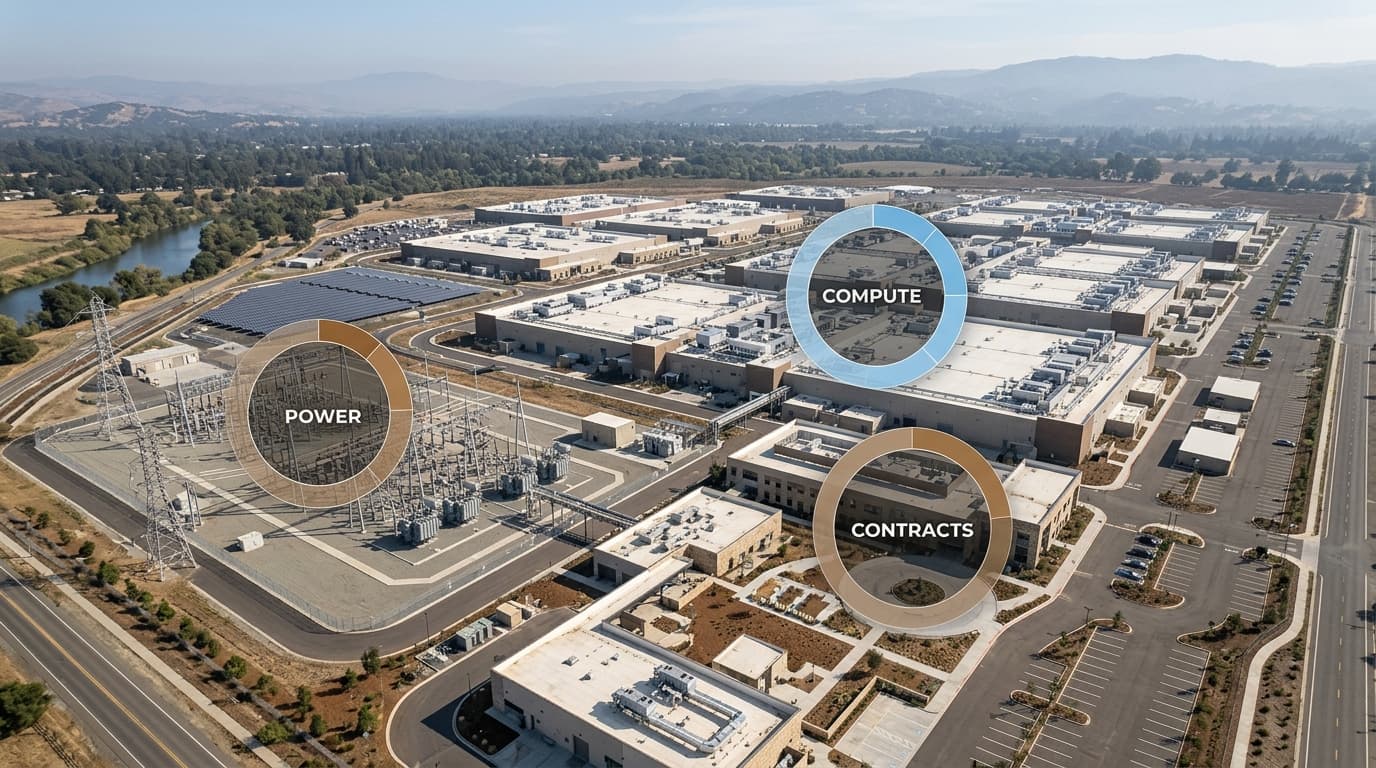
AI data center due diligence now centers on power access, as grid interconnection delays and cooling constraints threaten infrastructure investments. Evaluating energy procurement, water limits, and hyperscaler dependence is essential to underwriting risk and valuation.

AI Valuation Premium Due Diligence: Testing the Multiple
Due Diligence

AI Valuation Premium Due Diligence: Testing the Multiple

AI startups command significant valuation multiples, but separating genuine technological moats from market hype requires rigorous evidence. Discover the definitive framework for testing whether an AI company's premium is justified by durable revenue, margins, and data.

PE Voice of Customer Due Diligence: What Buyers Test
Due Diligence

PE Voice of Customer Due Diligence: What Buyers Test

Voice of customer due diligence reveals the true strength of a company's revenue. This guide breaks down what private equity buyers ask during customer calls, how to spot churn risks, and how management teams can prepare evidence without damaging relationships.

VC Customer Reference Due Diligence: What Investors Ask
Due Diligence

VC Customer Reference Due Diligence: What Investors Ask

Customer reference calls are the most invasive phase of VC due diligence. Investors expect to verify value, adoption, and switching risk. Founders must carefully sequence these introductions and back up claims with solid data room evidence before calls happen.

AI Diligence Workflow Automation for PE Firms
Due Diligence

AI Diligence Workflow Automation for PE Firms

AI diligence workflow automation is the use of grounded, source-linked AI systems to run the document-heavy parts of private equity due diligence: ingesting and triaging the data room, classifying files, extracting financial and contract data, synthesizing expert-call transcripts, maintaining a live risk register, and drafting first-pass investment committee memos. It differs from generic chatbots because every output traces back to a specific file, page or cell, and deal data stays isolated from public model training. Firms usually automate in that order, beginning with data-room triage, then qualitative synthesis, then quantitative reconciliation and reporting, while investment conviction, deal structuring and management assessment stay with the deal team.

PLAUSITY

AI Summary

Ask an AI assistant to summarise Plausity.