Why Shein's Valuation Reset Matters for PE Exits
When mega-cap private companies prepare for a public debut under altered macroeconomic conditions, private equity sponsors and growth investors face an unforgiving reality check. Fast-fashion retailer Shein Global Holdings Ltd. seeking a valuation between $26 billion and $27 billion for its Hong Kong initial public offering represents a dramatic recalculation from its private peak of nearly $100 billion in 2022. For private equity sponsors, growth funds, and institutional limited partners, this repricing illustrates that late-stage paper marks cannot substitute for audited public market clearing prices. Navigating this environment requires institutional valuation mark diligence to bridge the gap between internal net asset values and actual market liquidity.
The mechanics of the Hong Kong offering, gross proceeds of up to HK$13.86 billion (about US$1.77 billion) from roughly 280 million class B shares priced at HK$47.60 to HK$49.50, which values the company at close to US$27 billion at the top of the range, demonstrate how public bookbuilding fundamentally diverges from private funding rounds. In private growth tranches, bespoke terms, liquidation preferences, and structured downside protections often sustain inflated headline valuations. By contrast, a public offering forces all structural complexity into a single equity value determined by institutional demand, regulatory clarity, and macroeconomic durability. When public markets assign lower multiples to high-volume e-commerce and retail models, private equity backers must re-underwrite their exit expectations across late-stage vintages.
- Headline valuation compression: Downward adjustments from peak private rounds force investment committees to align holding values with public trading comps.
- Shift in capital formation: Shein's offering of about 280 million class B shares was sized to raise up to HK$13.86 billion (about US$1.77 billion), and public buyers of that scale of paper underwrite proven cash generation rather than top-line gross merchandise value expansion.
- Liquidity pressure on LP distributions: Lower exit pricing directly dampens Distributed to Paid-In capital (DPI) ratios, constraining reinvestment cycles across global funds.
The IPO Exit Readiness Due Diligence Framework
Executing a successful public market exit during a valuation reset requires moving away from growth-at-all-costs narratives toward audited fundamental resilience. A structured exit readiness framework must evaluate whether a business can withstand quarterly public scrutiny, shifting trade policies, and margin compression. When companies transition from high-velocity scaling to mature market operations, deal teams must systematically audit cost structures, regulatory resilience, and underlying customer retention economics.
Deconstructing Growth Deceleration and Margin Sensitivity
Public market allocators scrutinize earnings quality far more aggressively than private venture rounds. Shein's full-year 2025 revenue growth slowing to 8%, alongside a net loss of US$99 million in the first quarter of 2026 driven by the removal of a US import-duty exemption and a one-time accounting charge, illustrates how trade shifts and rising customer acquisition costs squeeze operating profitability. That quarterly loss sits alongside a listing sized to raise up to about US$1.77 billion of gross proceeds, so the two figures measure different things: one is a period earnings result, the other is primary capital raised at listing. Deal teams conducting exit diligence cannot rely on top-line momentum; they must stress-test how regulatory changes, shipping surcharges, and customs adjustments impact contribution margins across core jurisdictions.
- Baseline margin stress-testing: Model unit economics under varying import tariff structures and duty-exemption removals.
- Customer acquisition payback audit: Track cohort retention curves and CAC payback periods to verify sustainable organic demand.
- Working capital and inventory velocity: Evaluate supply chain turnaround times and logistics costs against local warehousing alternatives.
What PE Backers and LPs Must Test
Private equity sponsors, growth funds, and institutional allocators preparing portfolio assets for public listings must execute targeted testing across governance, bookbuilding strength, and jurisdictional exposure. In an environment defined by private markets liquidity constraints, relying on historical goodwill or brand awareness is insufficient to clear modern underwriting thresholds.
Core Diligence Pillars for Late-Stage Assets
Deal teams must systematically evaluate four core operational and financial dimensions before committing to an IPO roadshow or approving an exit valuation:
- Cornerstone and anchor investor stability: Verify the firmness, lock-up terms, and track record of cornerstone commitments to ensure book stability during volatile market sessions.
- Supply chain compliance and trace audits: Evaluate supplier oversight, environmental standards, and labor audit reports against listing venue requirements, acknowledging how UK and European regulatory scrutiny over supply chains previously disrupted London listing aspirations.
- Jurisdictional listing venue risks: Assess cross-border clearance hurdles, regulatory friction between home-market securities regulators and listing exchanges, and geopolitical exposure.
- Realized returns and fund-level liquidity: Quantify how revised listing valuations impact DPI expectations across vintage funds, comparing immediate public liquidity against continuation vehicle alternatives.
Red Flags in Exit Readiness Due Diligence
Identifying operational fragility before an IPO filing is critical to avoiding broken listings, withdrawn prospectuses, and public market discounts. Maintaining an automated risk register ensures that investment committees capture cross-jurisdictional vulnerabilities before external regulators or short-sellers exploit them.
| Risk Category | Early Warning Indicator | Dilutive Impact on Public Exit | Required Mitigating Evidence |
|---|---|---|---|
| Demographic Shift | Loss of momentum with shoppers under 35 in primary regions | Multiple compression to legacy retail multiples | Multi-year cohort analysis showing customer lifetime value stability |
| Trade & Regulatory Exposure | Dependence on de minimis cross-border customs exemptions | Swing from quarterly net income to a net loss after the exemption was removed | Audited tariff absorption models and local distribution hub contracts |
| Supply Chain Scrutiny | Unresolved supplier compliance challenges and labor claims | Listing rejection or prolonged review by strict exchange regulators | Independent third-party traceability audits and verified supplier contracts |
| Cap Table Distortion | Misalignment between early venture costs and late-stage liquidation preferences | Internal shareholder friction and uncoordinated secondary selling | Formal cap table restructuring agreements and unified lock-up commitments |
When warning signs such as demographic shifts or customer fatigue emerge in key markets, public equity analysts quickly re-rate disruptive tech platforms down to traditional retail multiples. Deal teams must proactively document mitigation strategies and verify that financial reporting reflects fully burdened compliance and logistics costs.
Data Room Evidence Checklist for Exit Readiness
A comprehensive virtual data room must provide irrefutable verification for public markets underwriters, exchange regulators, and anchor investors. Teams preparing an exit must ensure all core legal, operational, and financial workstreams are fully documented and easily cross-referenced.
- Regulatory filings and clearance documentation: Formal approval letters from relevant national securities commissions, exchange pre-clearance memos, and cross-border regulatory disclosures.
- Third-party supply chain audit reports: Comprehensive social compliance audits, fiber and material origin tracing certificates, and environmental impact assessments conforming to listing venue governance expectations.
- Cornerstone and lock-up agreements: Executed institutional subscription commitments, detailed allocation schedules, and binding lock-up legal covenants.
- Fully burdened unit economics models: Granular financial models showing unit margins under alternative tariff scenarios, localized fulfillment costs, and normalized customer acquisition costs.
- Corporate governance and board resolutions: Verification of independent director appointments, audit committee charters, and ultimate beneficial ownership disclosures.
How Plausity supports the workflow
Evaluating exit readiness across tens of thousands of data room documents requires institutional rigor and intelligent synthesis. Plausity provides AI-powered software designed to structure and accelerate due diligence workflows for private equity deal teams, M&A advisers, and investment committees.
By connecting to complex data rooms, Data Room Ingestion processes thousands of regulatory filings, supplier contracts, audit reports, and financial schedules in minutes. The core AI-Analysis Engine cross-references operational disclosures against financial models to detect margin discrepancies, tariff sensitivity mismatches, and governance omissions. Concurrently, Risk Radar tracks, categorizes, and scores legal exposures and compliance gaps for human review, so deal teams can map them against exchange listing rules and trade requirements.
- Automated VDR Ingestion: Rapid processing of dense prospectuses, regulatory filings, and complex cap tables.
- Cross-Workstream Risk Synthesis: Risk Radar surfaces compliance liabilities, supply chain red flags, and margin vulnerabilities in a unified audit view.
- Collaborative Deal Alignment: Collaboration Hub coordinates diligence workstreams across internal sponsors, legal counsel, and technical advisers.
How to use this in your next diligence workflow
Managing portfolio exits when private valuations reset from a 2022 private-market peak of US$98.2 billion to a listing valuation of close to US$27 billion demands verifiable evidence and defensible underwriting. Deal teams cannot rely on narrative momentum when entering stringent public review cycles. Establishing an evidence-backed audit trail early protects fund credibility and prevents costly last-minute listing delays.
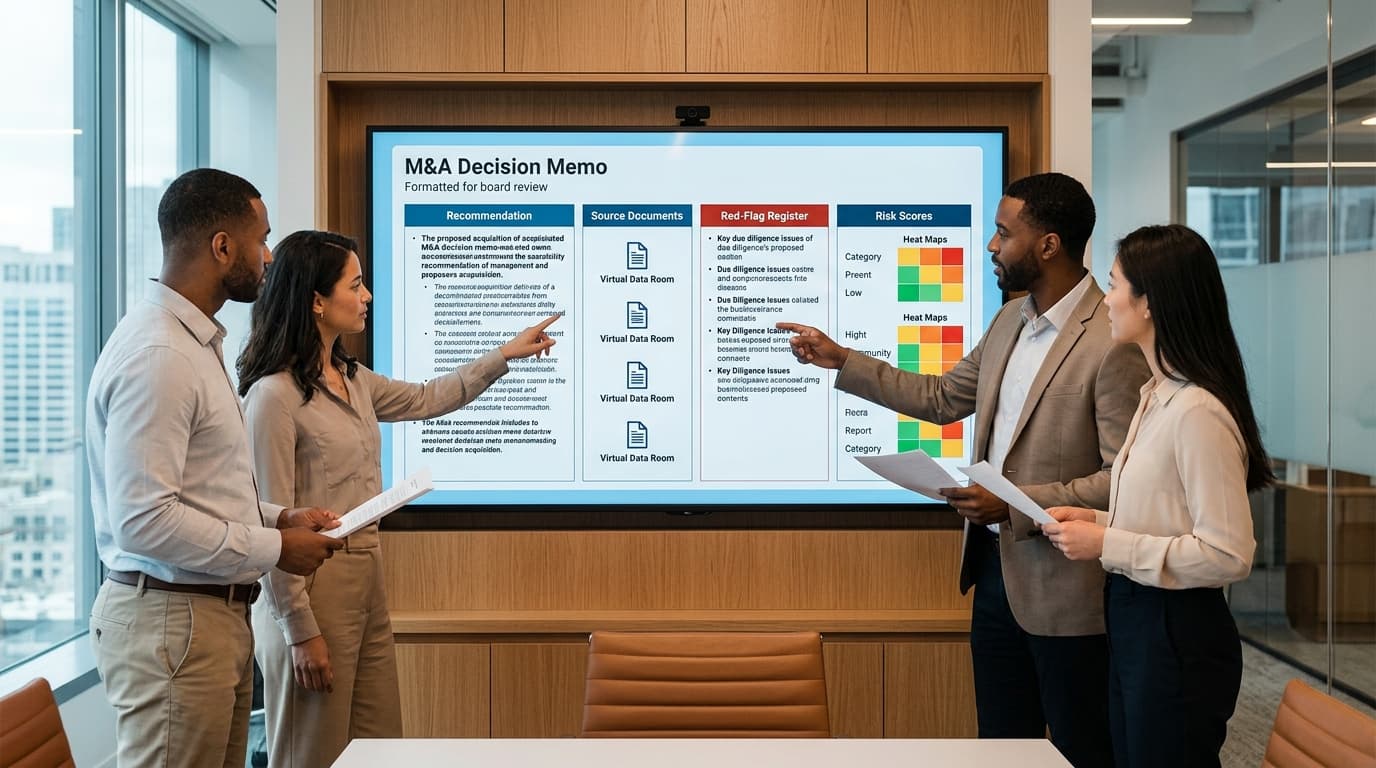
To apply this diligence playbook to your upcoming portfolio assessments or secondary reviews, structure your workflow around verifiable risk registers and granular data-room verification. Deal teams can leverage Report Builder to automatically assemble and format investor-ready due diligence deliverables, aligning advisory teams, sponsors, and investment committees around fully grounded exit scenarios.
- Audit existing portfolio marks against public peer multiples and recent sector IPO pricing resets.
- Ingest supplier audits, trade exposure models, and regulatory filings into a centralized diligence workspace.
- Generate structured committee memos with full source traceability to confirm exit readiness before initiating formal bookbuilding.