Due diligence, read by software. Decided by people.
How Plausity turns a data room into source-linked findings, so deal teams spend their time on judgement, not on reading.
Request a demo
A data room is hundreds of documents and a deadline.
Before real analysis can start, someone has to open, sort and read document after document. Issues hidden in a schedule or an appendix can surface late, and the source behind a number gets lost between emails and spreadsheets.
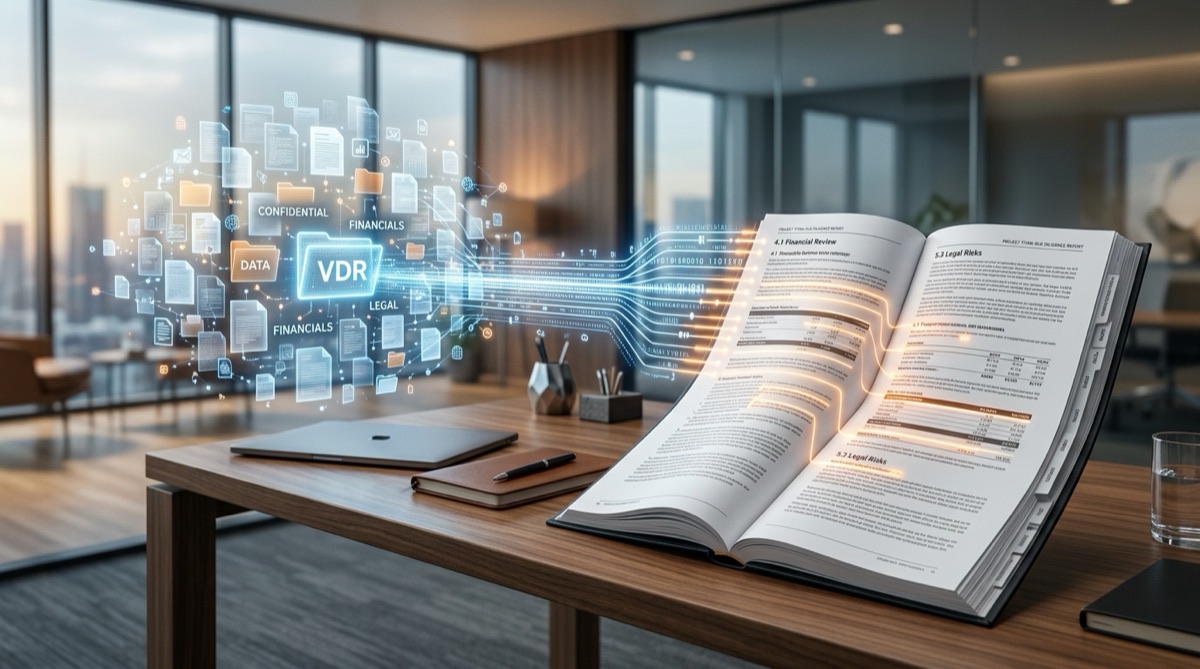
Ingest
PDFs, spreadsheets, contracts and decks become structured, searchable evidence.
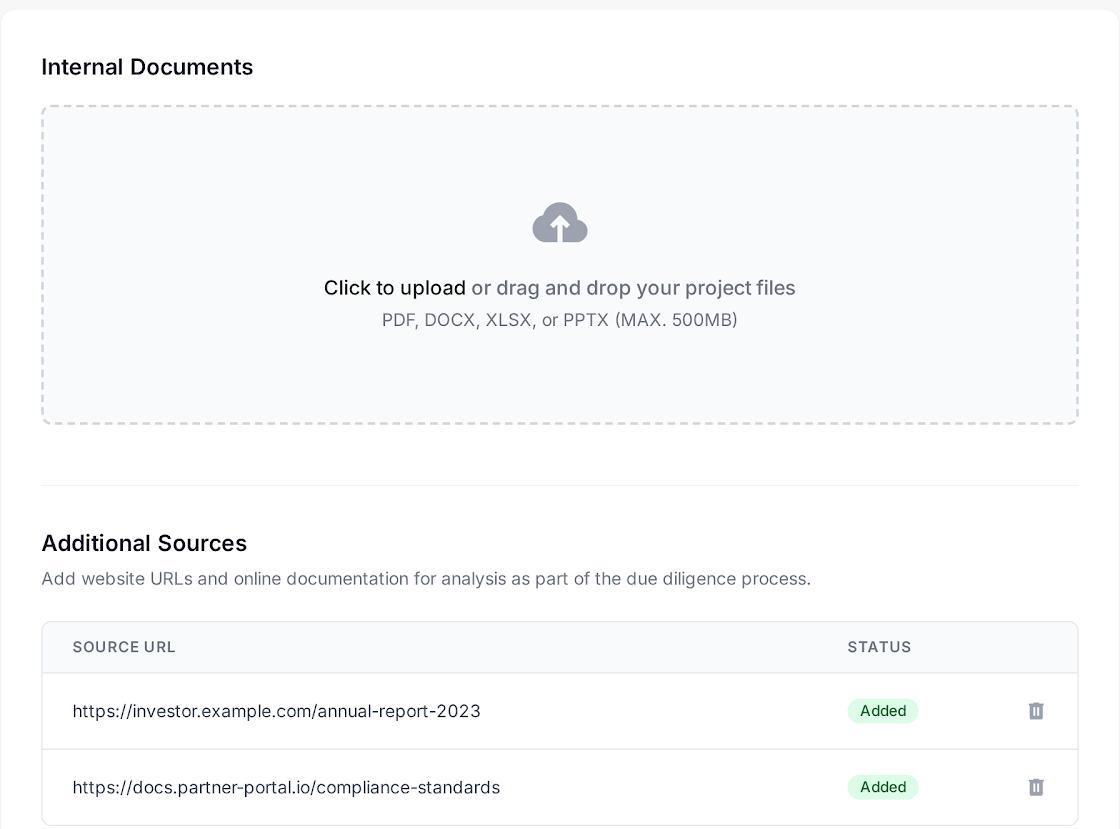
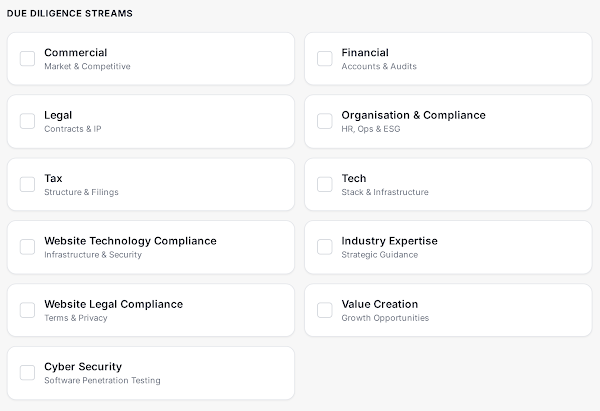
Analyse and find
Each workstream is analysed in parallel. Findings are scored for materiality and cross-referenced across workstreams.
Ask
Questions across the findings, answered with page and paragraph.
Report
The IC memo and reports are drafted in your format, with every statement sourced.
Let software do the reading. Keep people on the decisions.
Plausity reads the documents in the data room across every workstream and prepares findings with their sources. Your team reviews, challenges and decides. The final recommendation always stays with people.
Every finding has a source.
Each finding links to the document, page and paragraph it came from. Nothing is a black box: reviewers can verify, challenge and build on every output.
What is missing matters as much as what is there.
Evidence Gap Detection shows where the data room does not yet support a diligence question, so follow-up requests go to the seller early instead of in the last week.
From findings to the IC memo, without retyping.
Findings from each workstream flow into a first draft of the IC memo and into reports in your house format. Your team edits, restructures and approves.
Explore the Plausity platform
See the story on your own data room.
Book a demo and follow a deal from data room to IC memo.
Request a Demo