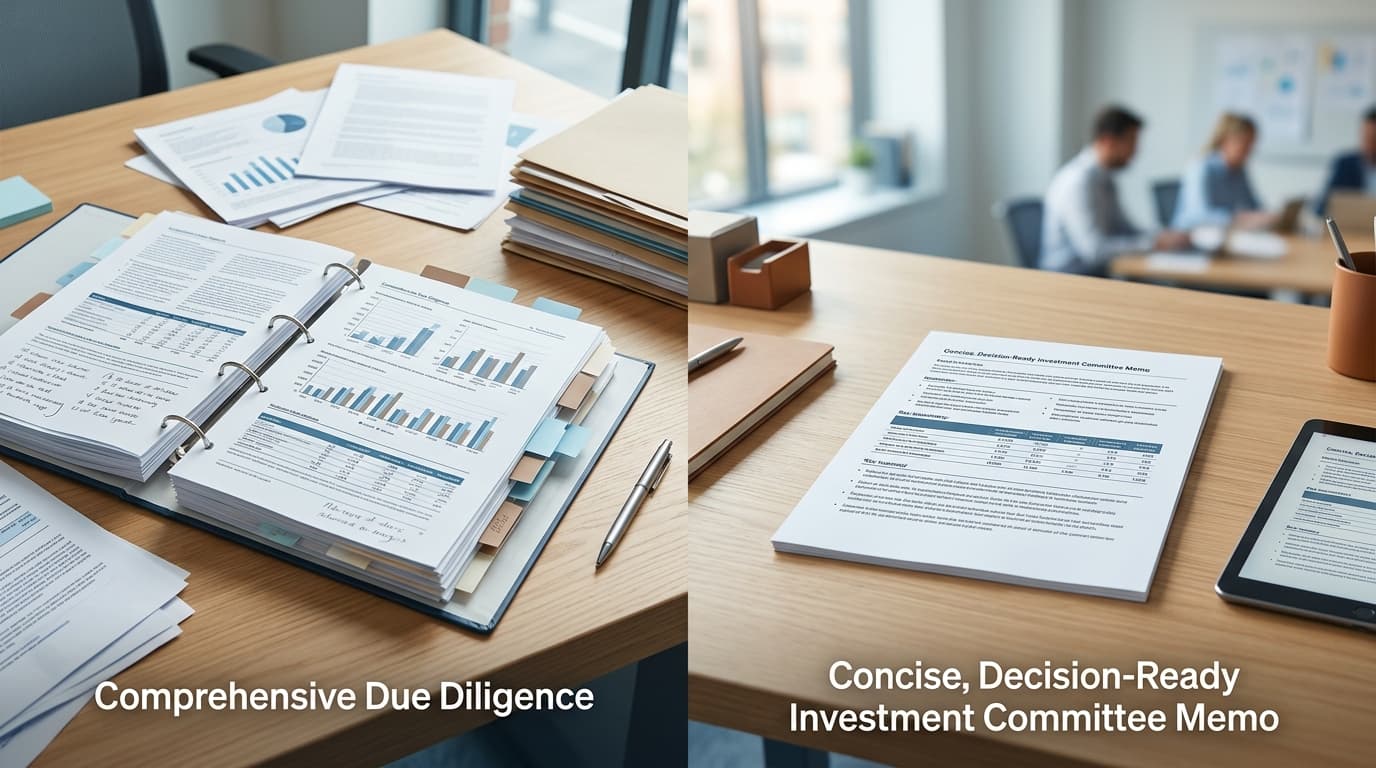
The Convergence of Transactional Due Diligence and Compliance
- KYC-style compliance checks protect cross-border buyers from severe post-acquisition successorship liabilities.
- The standard international threshold for verifying an Ultimate Beneficial Owner (UBO) is ownership of more than 25 percent.
- Failing to conduct proper OFAC sanctions screening can expose buyers to civil penalties of up to USD per violation
- AI-native platforms like Plausity automate virtual data room ingestion to analyze thousands of files for hidden regulatory risks.
In modern cross-border M&A, the boundary between commercial evaluation and regulatory compliance has dissolved. Traditionally, corporate buyers and private equity investors viewed Know Your Customer (KYC) protocols as administrative checklists isolated to retail banking or structured debt placement. Today, however, we are seeing a critical shift to compliance due diligence as a core pillar of deal security. This evolution represents exactly where KYC-style checks meet transaction diligence, serving as a protective shield against severe regulatory, reputational, and financial exposures. As deal structures grow more complex and global regulators tighten enforcement, evaluating a target company's corporate relationships is no longer optional.
Historically, transaction teams relied heavily on basic financial audits and standard legal representations to assess a target's standing. But in a highly interconnected global economy, these lagging indicators fail to capture hidden compliance exposures. If a target company is entangled in bribery, money laundering, or sanctions evasions, the acquiring entity risks inheriting massive successor liability. Under frameworks such as the U.S. Foreign Corrupt Practices Act (FCPA) and the UK Bribery Act, regulatory enforcement agencies regularly prosecute acquirers for pre-existing misconduct within their newly acquired subsidiaries. Furthermore, the U.S. Department of Justice (DOJ) has intensified its focus on corporate transactions, introducing its Safe Harbor Policy in late 2023, which grants a presumption of declination only if the buyer proactively uncovers, self-reports, and remediates compliance failures within strict, compressed timelines.
Evolving from Basic Auditing to Risk-Based Compliance
To navigate this shifting regulatory landscape, sophisticated PE investors and M&A project leads are implementing comprehensive risk-based assessments. These assessments go beyond simple contract reviews to perform exhaustive counterparty integrity checks. By validating the reputation, business practices, and legal track records of a target's distributors, suppliers, and joint venture partners, buyers can map operational risks before signing.
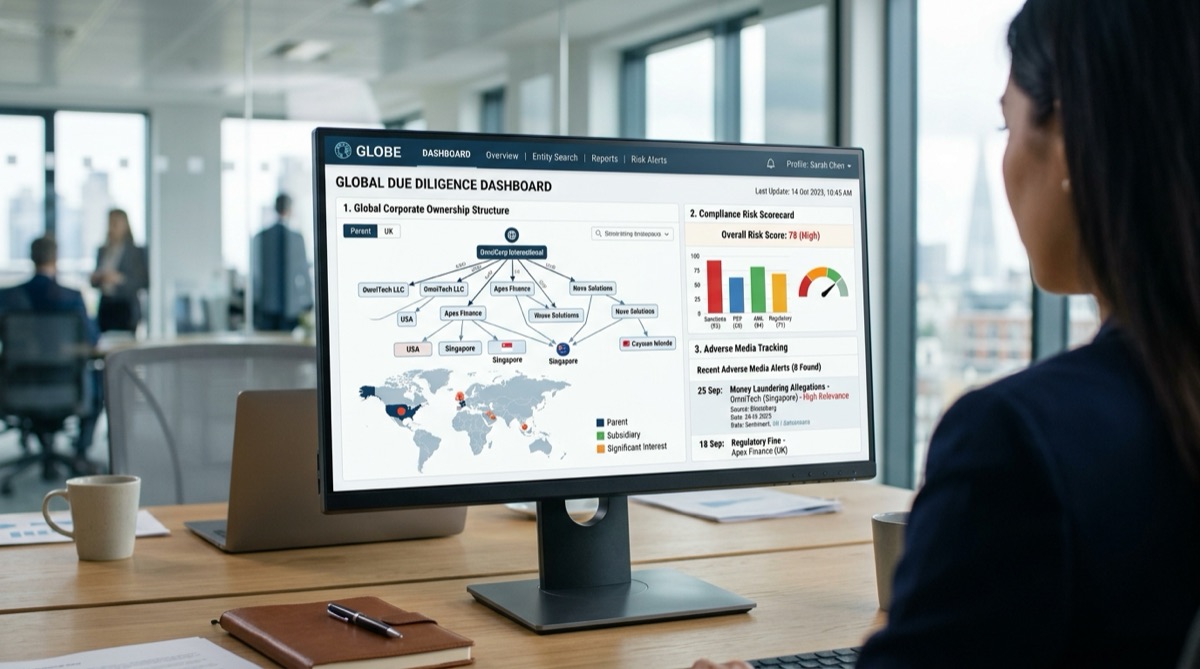
- beneficial ownership / UBO screening: Uncovering the true corporate structure and identifying ultimate beneficial owners (UBOs) to prevent exposure to sanctioned individuals or politically exposed persons (PEPs).
- adverse media screening: Monitoring global news databases, regulatory enforcement feeds, and local language publications for early indicators of reputational risk, fraud allegations, or environmental violations.
- management background screening: Running exhaustive integrity checks on key executives, founders, and board members to ensure alignment with corporate governance standards and mitigate executive-level liabilities.
To execute these workstreams efficiently under tight transaction timelines, deal teams require specialized platforms capable of linking unstructured data back to its original sources. Plausity provides this capability through its integrity due diligence workflows. By deploying Plausity's Risk Radar to scan through multi-format data rooms, deal teams can automate the identification of regulatory anomalies and trace compliance gaps back to specific files. This approach guarantees full traceability, enabling advisors and principals to confidently quantify compliance risk during valuation negotiations.
Ultimate Beneficial Ownership and Sanctions Screening
During cross-border transactions, deal teams frequently navigate multi-layered corporate structures that can obscure the identities of controlling entities. This operational reality is where traditional KYC-style checks intersect with transactional due diligence. For serious investment professionals, conducting rigorous beneficial ownership / UBO screening is a critical mechanism to identify the natural persons who ultimately control the target. This analysis protects buyers from regulatory penalties and ensures compliance with international sanctions regimes by mapping out every stakeholder with a direct or indirect interest.
The Mechanics of UBO Verification
To establish clear compliance under international frameworks, the mechanical verification process focuses on identifying individuals who own or control a significant stake in the target. Across key global jurisdictions, the baseline threshold is set at individuals owning more than 25 percent of a target entity, as established by the Financial Action Task Force (FATF) guidelines and regional regulations like the FinCEN Customer Due Diligence (CDD) Rule in the United States. Verifying this threshold requires tracing equity ownership through every layer of the corporate tree to calculate the aggregate indirect ownership of each individual.
| Jurisdiction | Standard Ownership Threshold | Primary Verification Register | Regulatory Source |
|---|---|---|---|
| United States | At least 25 percent of ownership interest | FinCEN Beneficial Ownership Database | FinCEN CDD Rule |
| European Union | More than 25 percent ownership or voting rights | National Central registers (BORIS network) | EU AML Directives |
| FATF Standards | More than 25 percent (risk-based threshold) | National or regional transparency registers | FATF Recommendation 24 |
Integrating Sanctions Screening and Integrity Checks
Identifying the beneficial owners is only the first step. Once the individual names are mapped, they must be run against global sanctions databases, including the US Office of Foreign Assets Control (OFAC) list, the EU Consolidated Financial Sanctions List, and United Nations lists. Deal teams use automated compliance checks to ensure that no associated person or entity is subject to asset freezes or trade restrictions. However, to uncover broader operational and reputational risks, compliance officers and investment managers supplement this process with targeted counterparty integrity checks and thorough management background screening. These deeper checks look for underlying issues such as corruption, regulatory non-compliance, and past litigation that would not trigger a basic sanctions match.
Common Pitfalls in Cross-Border UBO Vetting
- Relying solely on self-reported target company declarations without cross-referencing official national registries or independent corporate intelligence databases.
- Failing to execute real-time adverse media screening on beneficial owners, which can miss active regulatory investigations, localized legal disputes, or emerging reputational liabilities that have not yet resulted in formal sanctions.
- Ignoring indirect ownership paths through trusts, offshore holding companies, or nominee agreements that keep individual ownership levels artificially below the 25 percent threshold while retaining effective control.
- Treating compliance screening as a one-time onboarding checkpoint rather than a continuous monitoring process throughout the transactional lifecycle, leaving the deal vulnerable to late-stage sanctions updates.
To manage these multi-layered compliance requirements without delaying transaction timelines, corporate project leads and deal teams rely on advanced digital platforms. By utilizing Plausity, investment professionals can automate document collection and cross-referencing across complex data structures. The platform's core AI-Analysis Engine parses corporate charters and registry documents to map holding structures, while Risk Radar flags hidden ownership anomalies and potential compliance issues. This systematic approach transforms standard compliance tasks into a source of deep transaction intelligence, enabling safer and faster deals.
Adverse Media Screening: Separating Signal from Noise
In cross-border M&A transactions, deal teams face the complex challenge of verifying the reputation and regulatory standing of potential targets, key executives, and selling shareholders. Conducting systematic adverse media screening is no longer just a defensive compliance step but an active risk-mitigation tool. Standard transaction workflows require integrating detailed management background screening and counterparty integrity checks alongside beneficial ownership / UBO screening to prevent post-close regulatory liabilities or severe reputational damage. To meet these standards, modern deal teams implement KYC-style checks that evaluate both structured regulatory databases and unstructured global news feeds. Indeed, the Financial Action Task Force (FATF) recommends performing verifiable adverse media searches to construct a comprehensive, risk-based profile of counterparties and beneficial owners.
Structured Databases vs. Unstructured Feeds
A robust screening process must balance two highly distinct data environments: structured databases and unstructured news feeds. Structured databases include official lists such as government sanctions, Politically Exposed Persons (PEP) registries, and regulatory enforcement watchlists. While these databases are highly reliable and easy to parse, they often suffer from significant reporting lags. Conversely, unstructured media feeds encompass global newspapers, local language publications, and regional blogs. These sources are critical for detecting early warnings of environmental offenses, bribery allegations, and other corporate malfeasance before they trigger official regulatory investigations or civil litigation.
| Data Source Type | Primary Coverage | Strengths | Key Limitations |
|---|---|---|---|
| Structured Databases | Global sanctions, PEP registers, law enforcement watchlists, and regulatory filings. | High data accuracy, standardized formatting, and clear legal relevance. | Significant update lag, offering little warning of unfolding or localized issues. |
| Unstructured Media Feeds | Global news outlets, local language publications, regional blogs, and civil society reports. | Real-time updates, deep regional coverage, and early signal detection of misconduct. | High volume of noise, duplicate reports, and extensive false positives. |
Reducing False Positives in High-Velocity Deal Cycles
The primary bottleneck when analyzing unstructured media is the sheer volume of irrelevant matches. Traditional keyword searches frequently generate massive amounts of noise, especially when screening individuals with common names. In rapid private equity or corporate acquisition cycles, manually sorting through hundreds of false positives is highly impractical. To overcome this, sophisticated deal teams leverage automated risk intelligence platforms that combine semantic entity resolution with context-aware analysis. By feeding transaction documents through Plausity's Data Room Ingestion, the core AI-Analysis Engine can quickly isolate target entities and evaluate real-time signals. Combined with targeted tools like Risk Radar, teams can distinguish between passive mentions and active legal risks, resulting in actionable with complete source traceability.
- Establish precise entity resolution by pairing target names with secondary identifiers, such as corporate registration numbers, dates of birth, or geographic locations.
- Categorize negative news alerts into high-risk taxonomies, prioritizing offenses such as bribery, fraud, environmental non-compliance, and labor violations.
- Verify the accuracy of sources by prioritizing reputable global news outlets, peer-reviewed databases, and verified local press over uncorroborated social media chatter.
- Conduct continuous monitoring throughout the diligence period to capture any breaking news or regulatory updates before final deal execution.
For Corporate M&A Project Leads and M&A Advisory Firm Partners & Analysts, maintaining transaction momentum while ensuring absolute compliance is a delicate balance. Implementing automated compliance workflows helps avoid costly delays, allowing deal professionals to identify red flags without stalling the transaction. Integrating these intelligence workflows into standard due diligence practices ensures that potential issues are surfaced early, giving investment committees the confidence they need to proceed. To discover how AI-powered tools can streamline your compliance and integrity due diligence workflows, read more about Plausity's specialized capabilities.
Management Background Screening and Counterparty Integrity Checks
In cross-border mergers and acquisitions, the risk profile of a target company is deeply tied to the track record, compliance posture, and integrity of its leadership. While traditional financial and legal due diligence evaluates physical assets and commercial contracts, assessing the human element requires structured integrity due diligence to uncover hidden risks. According to industry surveys, regulatory and compliance issues are among the most common drivers of post-merger integration delays and transaction failures. Without rigorous screening, acquirers risk inheriting severe reputational damage, operational disruptions, or substantial regulatory penalties after the deal is finalized.
To mitigate these vulnerabilities, modern investment teams integrate standard regulatory compliance frameworks directly into their deal-making workflows. This convergence is where transaction due diligence meets traditional compliance: incorporating adverse media screening, rigorous management background screening, and comprehensive counterparty integrity checks into the standard pre-signing workflow. Additionally, establishing clear visibility through beneficial ownership / UBO screening ensures that buyers do not indirectly transact with sanctioned parties or shell corporations. By treating these KYC-style checks not just as administrative checkboxes but as core risk-mitigation tools, deal professionals protect their capital and post-acquisition enterprise value.
Identifying Executive Red Flags in Cross-Border Transactions
Executive due diligence in international acquisitions extends far beyond verifying academic degrees or prior employment. Deal teams must screen for high-impact anomalies that could trigger severe legal or financial liabilities. Key risks include active or historical litigation, regulatory sanctions, involvement with state-owned enterprises (which elevates bribery and corruption exposures under frameworks like the US Foreign Corrupt Practices Act), and undisclosed conflicts of interest. The scope of these checks must cover not only the target's corporate board and C-suite, but also regional managing directors who exercise operational and financial control in local jurisdictions. For instance, the European Commission enforces strict compliance standards regarding anti-money laundering and corporate transparency, making it imperative to verify leadership histories in cross-border European transactions.
- Sanctions and watchlists: Vetting target executives against international enforcement lists, including OFAC and EU consolidated sanctions, to prevent immediate regulatory blocks.
- Litigation and regulatory audits: Checking federal, regional, and municipal court records in the primary jurisdictions of residence to identify active disputes or bankruptcy filings.
- Corporate registry reconciliation: Cross-referencing local company registries to identify undisclosed directorships, dormant shell companies, or shareholding structures that represent conflicts of interest.
- Local language news analysis: Searching local news outlets and industry-specific publications to detect emerging scandals or corruption allegations that have not yet resulted in formal legal action.
Using Plausity's AI-Analysis Engine and Risk Radar during transactional due diligence helps automate the initial detection of leadership-related risks. The platform scans and extracts corporate governance documents, conflict-of-interest disclosures, and employment agreements ingested via Data Room Ingestion. It automatically flags inconsistent names, undisclosed affiliations, or restrictive covenants, linking every observation back to the exact source document for full traceability. These capabilities allow M&A project leads and private equity investors to focus their investigative resources on high-risk areas, ensuring a comprehensive assessment before signing.
Operationalizing Compliance Workflows with AI-Native Due Diligence Platforms
Deal teams, particularly PE investment professionals, corporate M&A project leads, and advisory partners, are moving away from disconnected legal checklists toward AI-native due diligence systems that deliver unified compliance intelligence. This transition represents the point where KYC-style checks meet transaction diligence, embedding regulatory verification directly into the transactional lifecycle. In cross-border M&A deals, waiting on external teams to run manual, batch-processed searches slows transaction momentum and exposes buyers to hidden regulatory threats. Modern software automates document ingestion, scanning virtual data rooms in parallel to spot compliance anomalies earlier in the evaluation phase.
Using Plausity's Data Room Ingestion, deal teams can automatically scan and upload virtual data room contents, processing contracts and corporate governance filings in minutes. The core AI-Analysis Engine then reads and cross-references this corporate data against foreign registers and litigation records. Through this automated ingestion, the system executes a continuous screening process that handles beneficial ownership / UBO screening, management background screening, and adverse media screening to uncover hidden ownership structures or regulatory violations. Industry research highlights that deploying dedicated AI agents for specific streams like compliance enables transactional teams to systematically review hundreds of complex files without sacrificing depth.
Automated Risk Detection and Traceable Reporting
Instead of relying on isolated databases, deal professionals can run integrated compliance assessments within Plausity's Risk Radar. The tool analyzes corporate registries, litigation records, and sanction lists to flag regulatory exposures, PEP associations, or active litigation. This automated intelligence provides critical context during counterparty integrity checks, allowing deal teams to locate the exact VDR document, page, or clause supporting each risk flag. Such source-grounded verification is crucial for M&A Advisory Firm Partners & Analysts, who must defend their risk findings with clear evidence before investment committees.
| Compliance Workstream | Primary Data Sources | Automated Risk Flags |
|---|---|---|
| Beneficial Ownership / UBO Screening | Shareholder registries, articles of association, corporate charts | Undisclosed shell companies, sanction matches, circular ownership loops |
| Management Background Screening | Executive resumes, corporate filings, litigation databases | Conflict of interest, historical regulatory debarment, civil disputes |
| Adverse Media Screening | Global news archives, regulatory enforcement feeds, OSINT databases | Negative press, active financial investigations, reputational risks |
| Counterparty Integrity Checks | Vendor contracts, distributor agreements, KYC documents | High-risk jurisdictions, shell company transactions, corruption exposure |
When findings are identified, Plausity's Report Builder structures these risks into professional, investor-ready compliance due diligence reports. Because the AI-Analysis Engine links every compliance finding directly back to its source document, deal teams avoid the uncertainty associated with traditional AI tools. This full source traceability allows project leads and analysts to accelerate draft review times, verify findings instantly, and close complex transactions with confidence.