Índice de contenidos
Los componentes principales de un informe de CDD de alto nivel
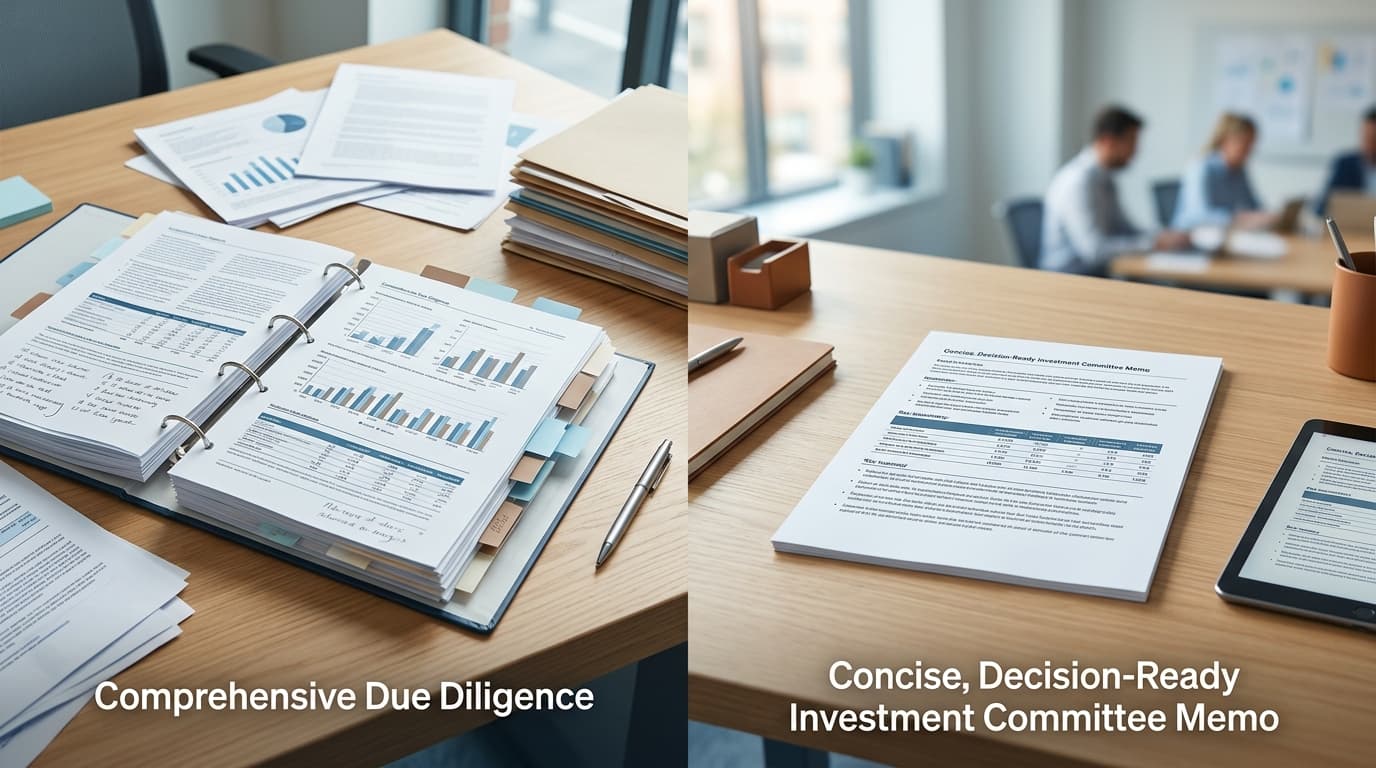
Un informe profesional de due diligence comercial debe proporcionar una visión detallada de la realidad operativa de la empresa target. No es simplemente un resumen de las afirmaciones de la dirección, sino una validación rigurosa del modelo de negocio subyacente. El informe suele centrarse en cuatro pilares principales: dinámica del mercado, posicionamiento competitivo, calidad de los ingresos y la estrategia go-to-market.
El análisis de mercado implica cuantificar el Total Addressable Market (TAM) y el Serviceable Addressable Market (SAM), al tiempo que se identifican los motores de crecimiento a largo plazo y los posibles obstáculos. El posicionamiento competitivo requiere un análisis exhaustivo de la propuesta de valor única del target y su fortaleza relativa frente a los competidores establecidos y los nuevos participantes. El análisis de la calidad de los ingresos es quizás el más crítico, centrándose en la concentración de clientes, las tasas de churn y la sostenibilidad de los modelos de precios.
- Dimensionamiento del mercado: Validación de las tasas de crecimiento y las tendencias específicas del segmento.
- Benchmarking competitivo: Análisis de la cuota de mercado, el poder de fijación de precios y las ventajas competitivas tecnológicas.
- Salud del cliente: Revisión de las métricas de retención, puntuaciones NPS y longevidad de los contratos.
- Validación de ingresos: Evaluación del rendimiento histórico frente a las proyecciones futuras.
En 2026, la profundidad de estos informes ha aumentado. Los asesores ahora utilizan la IA para procesar miles de puntos de datos de la virtual data room (VDR), identificando patrones en el comportamiento de los clientes o cambios en el mercado que serían invisibles a simple vista. Esto permite una evaluación de riesgos más matizada que va más allá de las métricas superficiales.
Due Diligence Comercial tradicional frente a aumentada por IA
La transición de la revisión manual tradicional al análisis aumentado por IA ha redefinido el estándar de excelencia en la DD. Los métodos tradicionales se basan en flujos de trabajo secuenciales en los que el equipo comercial opera en silos, a menudo esperando a que los hallazgos financieros o legales lleguen a sus manos. Esta fragmentación aumenta el riesgo de pasar por alto dependencias críticas entre los distintos workstreams.
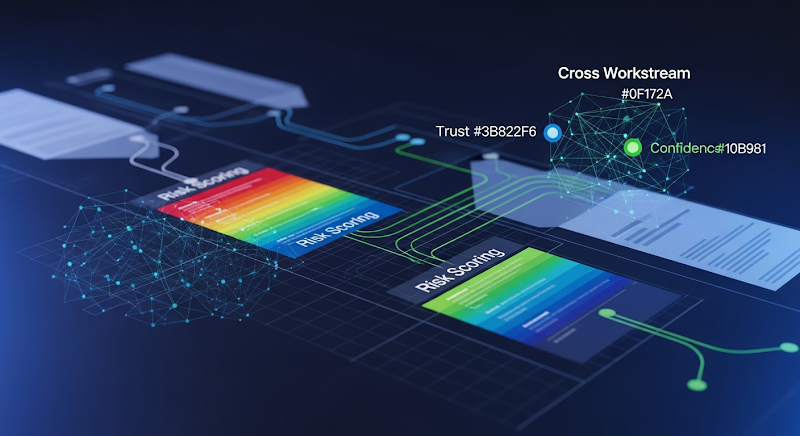
Plausity cambia esta dinámica al ejecutar 9 workstreams simultáneamente. Cuando el motor de análisis de IA identifica una cláusula de cambio de control en el contrato de un cliente importante durante la revisión legal, señala inmediatamente el posible riesgo de ingresos para el equipo comercial. Este razonamiento cruzado entre documentos garantiza que el informe final sea una narrativa cohesiva en lugar de una colección de capítulos aislados.
| Característica | CDD tradicional | CDD aumentada por IA (Plausity) |
|---|---|---|
| Plazos | De 3 a 4 semanas | De 5 a 7 días |
| Trazabilidad | Citas manuales, a menudo imprecisas | Enlaces directos al documento, página y párrafo |
| Integración de workstreams | En silos y secuencial | 9 workstreams ejecutándose simultáneamente |
| Puntuación de riesgos | Juicio subjetivo del asesor | Puntuación de materialidad basada en datos |
| Entregables | Formato manual en Word/PPT | Exportaciones automatizadas listas para inversores |
Las ganancias en eficiencia son sustanciales. Un socio de Advisory de una Big Four utilizó recientemente Plausity para comprimir el plazo de una DD comercial de tres semanas a solo cinco días en una transacción del mid-market. Esta velocidad permite a los deal teams avanzar con convicción, especialmente en procesos de subasta competitivos donde el tiempo es un factor decisivo.
Identificación de riesgos y evaluación de materialidad
Un objetivo principal del informe de CDD es sacar a la luz las red flags que podrían descarrilar la transacción o requerir un ajuste de precio. La identificación eficaz de riesgos requiere un marco que puntúe los hallazgos en función de su impacto financiero, exposición legal y relevancia general para la operación. Sin un enfoque estructurado, los problemas menores pueden recibir una atención desproporcionada mientras que los riesgos sistémicos permanecen ocultos.
Las plataformas modernas utilizan marcos de riesgo adaptados a más de 30 verticales de la industria. Para un target SaaS, el enfoque podría estar en la retención de ingresos netos y los ratios CAC/LTV. Para una empresa manufacturera, el énfasis se traslada a la resiliencia de la cadena de suministro y la exposición a los precios de la energía. El Risk Radar de Plausity categoriza automáticamente estos hallazgos, proporcionando a los asesores sénior una lista priorizada de problemas a investigar.
Red Flags comerciales comunes:
- Alta concentración de clientes: Más del 30 % de los ingresos provienen de los tres principales clientes.
- Churn oculto: Patrones de uso en declive entre las cuentas clave a pesar de unos ingresos generales estables.
- Saturación del mercado: Rendimientos decrecientes en el gasto de marketing que indican un techo de crecimiento limitado.
- Presión sobre los precios: Creciente dependencia de los descuentos para cerrar nuevos negocios o retener a los clientes existentes.
Cada hallazgo revelado por la IA va acompañado de una puntuación de confianza. Esto distingue entre los hechos confirmados encontrados en la data room y las inferencias que requieren una mayor investigación por parte de la dirección. Esta transparencia permite al deal lead centrar su tiempo limitado en las incertidumbres más críticas.
Generación de entregables listos para inversores
El resultado final del proceso de DD es el entregable: el informe que se presenta al comité de inversiones, al consejo de administración o a los LPs. Tradicionalmente, los asociados sénior pasan días dando formato a diapositivas de PowerPoint y documentos de Word, asegurándose de que cada gráfico y tabla sea coherente. Esta carga de trabajo manual supone una importante pérdida de recursos de alto valor.
El Report Builder de Plausity automatiza este proceso estructurando dinámicamente los informes en función de los hallazgos reales. Los usuarios pueden exportar resúmenes ejecutivos, resúmenes de red flags e informes completos de DD en formatos Word, PowerPoint o PDF con la imagen corporativa personalizada. Dado que la plataforma mantiene una trazabilidad de las fuentes del 100 %, cada afirmación del informe final puede rastrearse hasta el documento, la página y el párrafo específicos en la VDR.
Esta auditabilidad es crucial para los fondos de VC y PE que deben demostrar rigor ante sus limited partners. También facilita una integración posterior a la adquisición más fluida. Al convertir los hallazgos de la DD en planes de 100 días puntuados y priorizados, la plataforma garantiza que la tesis de creación de valor identificada durante la due diligence sea inmediatamente procesable tras el cierre de la operación.
Seguridad, cumplimiento y el enfoque Human-in-the-Loop
En el mundo de alto riesgo del M&A, la seguridad de los datos no es negociable. Cualquier herramienta de IA utilizada en el proceso de DD debe cumplir con rigurosos estándares empresariales. Plausity está construida con una arquitectura que prioriza la seguridad, contando con las certificaciones SOC 2 Type II, ISO 27001 e ISO 42001 para la gobernanza de la IA. Todos los datos están encriptados mediante AES-256 en reposo y TLS 1.3 en tránsito y, lo que es más importante, los datos de los clientes nunca se utilizan para entrenar modelos de IA.
Es importante destacar que la IA no reemplaza al asesor. Por el contrario, complementa al deal team automatizando el trabajo analítico y operativo repetitivo. El experto humano mantiene el control de las conclusiones, utilizando los hallazgos de la IA para emitir juicios más fundamentados. Este enfoque human-in-the-loop garantiza que el informe final de CDD refleje la experiencia matizada de un profesional sénior, al tiempo que se beneficia de la velocidad y exhaustividad del análisis automático.
A medida que evolucionan los entornos normativos como la EU AI Act y el GDPR, el uso de una plataforma específica y que cumpla con la normativa es esencial para mitigar los riesgos legales y de reputación. Plausity garantiza que todos los análisis se realicen dentro de un entorno seguro y auditable que cumple con los más altos estándares globales.
Puntos clave
- La CDD aumentada por IA comprime los plazos de semanas a días, lo que permite a los deal teams moverse más rápido en mercados competitivos sin sacrificar la profundidad analítica.
- La trazabilidad de las fuentes es un diferenciador crítico, ya que garantiza que cada hallazgo en un informe de DD esté vinculado al documento, página y párrafo específicos para una auditabilidad total.
- Las plataformas modernas de DD ejecutan 9 workstreams simultáneamente, lo que permite un razonamiento cruzado entre documentos que identifica riesgos que los enfoques tradicionales en silos pasarían por alto.
La gente también pregunta
¿Qué se incluye normalmente en un informe de due diligence comercial?
Un informe de due diligence comercial suele incluir un análisis del tamaño y crecimiento del mercado, el posicionamiento competitivo, la calidad de los ingresos (incluyendo el churn y la concentración de clientes), y una evaluación de la estrategia go-to-market de la empresa target y sus proyecciones de crecimiento futuro.
¿Cuánto tiempo se tarda en completar un informe de due diligence comercial?
Tradicionalmente, un proceso de due diligence comercial dura entre tres y cuatro semanas. Sin embargo, utilizando plataformas impulsadas por IA como Plausity, este plazo puede comprimirse a entre cinco y siete días mediante la automatización de la revisión de documentos y la generación de informes.
¿Cuál es la diferencia entre la due diligence financiera y la comercial?
La due diligence financiera se centra en la precisión de los estados financieros históricos y la calidad de los beneficios. La due diligence comercial se centra en el entorno de mercado del target, su posición competitiva y la sostenibilidad de su crecimiento futuro de ingresos.
¿Por qué la concentración de clientes es un riesgo en la CDD?
La alta concentración de clientes es un riesgo porque la pérdida de un solo gran cliente puede afectar significativamente a los ingresos totales y a la valoración de la empresa. Los inversores suelen considerar una concentración superior al 30 % entre los tres principales clientes como una red flag importante.
Preguntas frecuentes
¿Reemplaza Plausity la necesidad de asesores de M&A?
No. Plausity está diseñada para complementar a los asesores, no para reemplazarlos. Automatiza el trabajo analítico y operativo, como la revisión de documentos y la extracción de datos, permitiendo a los expertos humanos centrarse en la estrategia de alto nivel y en las conclusiones finales.
¿Cómo garantiza la plataforma la precisión de sus hallazgos?
Plausity garantiza la precisión a través de una trazabilidad de las fuentes del 100 %. Cada hallazgo está vinculado al documento, página y párrafo específicos de los que se originó, acompañado de una puntuación de confianza que ayuda a los asesores a verificar los datos.
¿Se utilizan mis datos para entrenar sus modelos de IA?
No. Plausity mantiene estrictos estándares de privacidad de datos. Los datos de los clientes nunca se utilizan para entrenar modelos de IA, lo que garantiza que la información confidencial de la operación permanezca segura y privada.
¿En qué formatos de archivo se pueden exportar los informes de DD?
Los informes y entregables se pueden exportar como documentos listos para inversores en formatos Microsoft Word, PowerPoint y PDF, todos los cuales se pueden personalizar con la imagen corporativa de su firma.
¿Qué industrias soporta Plausity para la DD comercial?
Plausity soporta más de 30 verticales de la industria, cada uno con marcos de riesgo y benchmarks adaptados. Esto incluye sectores como SaaS, Salud, Manufactura, Servicios Financieros y Energía.
¿Qué certificaciones de seguridad posee Plausity?
Plausity cumple con SOC 2 Type II, ISO 27001, ISO 42001 (gobernanza de IA), el GDPR y la EU AI Act, proporcionando el más alto nivel de seguridad para las transacciones de M&A.