Índice
El Papel Estratégico de la Due Diligence de Clientes
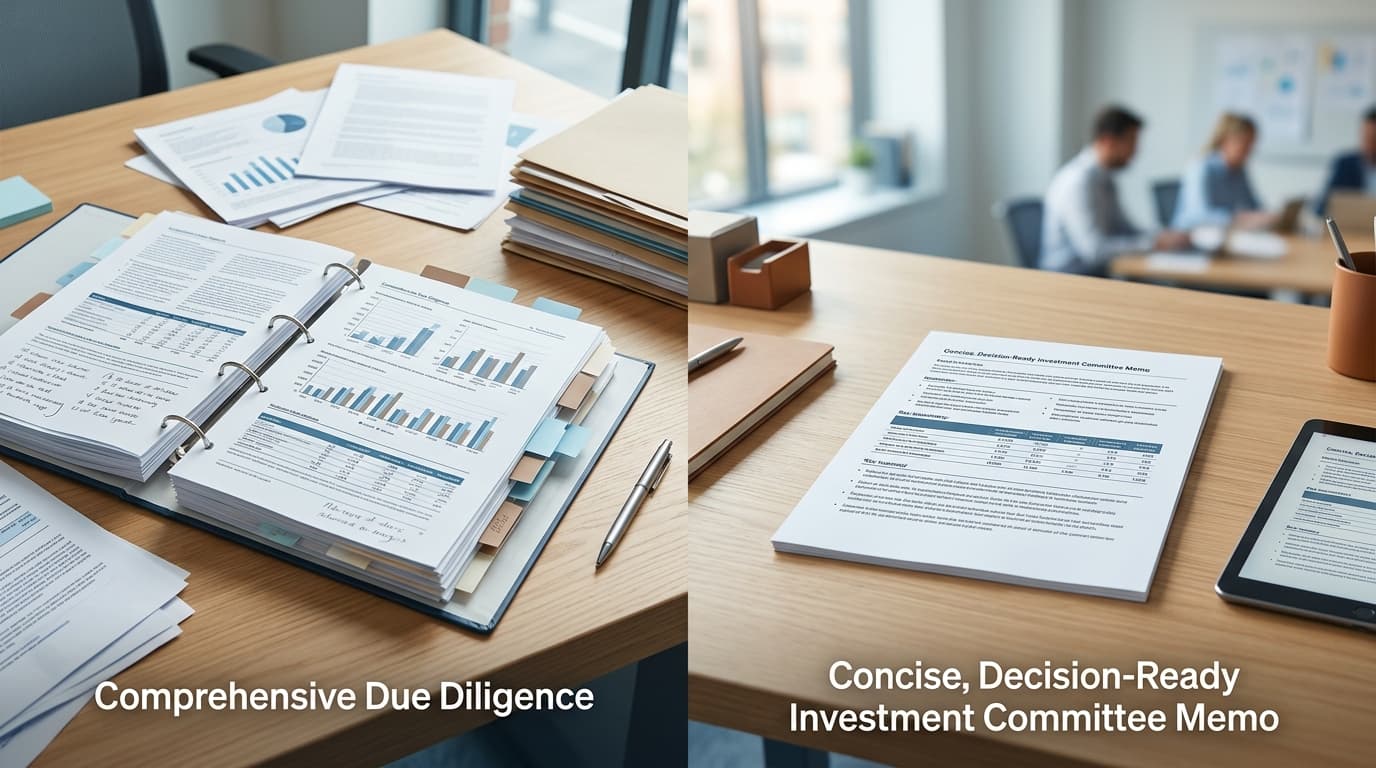
La due diligence de clientes (CDD) sirve como puente entre el rendimiento financiero histórico y las proyecciones futuras. Mientras que la due diligence financiera confirma lo que ha sucedido, la due diligence de clientes explica por qué sucedió y si continuará. Este workstream es fundamental para validar la tesis de inversión y garantizar que la posición de mercado de la empresa target sea defendible.
Según benchmarks recientes del sector en 2026, las transacciones del mid-market implican ahora una media de entre 1.200 y 2.500 documentos comerciales. Revisar manualmente cada contrato en busca de cláusulas de cambio de control (change of control) o derechos de resolución ya no es factible dentro de los periodos de exclusividad estándar. Los profesionales de M&A deben aprovechar herramientas que puedan procesar los datos de la VDR y proporcionar visibilidad inmediata del núcleo comercial del negocio.
Plausity facilita esto ejecutando 9 workstreams de DD simultáneamente. La plataforma no se limita a analizar las listas de clientes; cruza los términos de los contratos con las management accounts para garantizar que los ingresos reportados coincidan con las obligaciones legales de los clientes. Este nivel de triangulación es esencial para identificar los ingresos en riesgo antes de que afecten a la oferta final.
Métricas Clave para la Evaluación del Riesgo Comercial
Una due diligence de clientes eficaz se centra en tres pilares principales: concentración, retención y calidad de los contratos. Cada uno de estos factores influye directamente en la tasa de descuento aplicada a los flujos de caja futuros. Una empresa target con altos ingresos pero escasa diversificación de clientes conlleva un perfil de riesgo significativamente mayor.
- Concentración de Clientes: Una red flag común es cuando los tres principales clientes representan más del 30% de los ingresos totales. Esto crea una dependencia que puede poner en peligro toda la operación si una relación se deteriora.
- Retención de Ingresos Netos (NRR): Esta métrica mide la capacidad de aumentar los ingresos de los clientes existentes. En 2026, un NRR superior al 110% se considera un fuerte indicador de product-market fit y un bajo riesgo de churn.
- Rigidez Contractual: Analizar la duración de los contratos y la presencia de cláusulas de renovación automática proporciona una imagen más clara de la previsibilidad de los ingresos.
| Métrica | Benchmark Saludable (2026) | Indicador de Riesgo (Red Flag) |
|---|---|---|
| Concentración del Top 5 de Clientes | < 25% de los Ingresos Totales | > 45% de los Ingresos Totales |
| Churn Bruto Anual | < 5% para SaaS Enterprise | > 15% o tendencia al alza |
| Duración Media del Contrato | +24 Meses | Mes a mes o "Acuerdo verbal" |
| Cláusulas de Cambio de Control | Estandarizadas / Mínimas | Restrictivas / Requieren Consentimiento |
Automatización del Flujo de Trabajo de la DD Comercial
La transición de la revisión manual de documentos a los espacios de trabajo nativos de IA ha redefinido los plazos de la due diligence comercial. Un socio de Advisory de una Big Four informó recientemente que el uso de Plausity redujo su plazo de DD comercial de tres semanas a cinco días en una transacción del mid-market. Esta aceleración se logra automatizando la ingesta y clasificación de miles de documentos en toda la VDR.
El Motor de Análisis de IA de Plausity identifica los hallazgos materiales y los clasifica según su impacto financiero y su relevancia para la operación. A diferencia de las herramientas de IA genéricas, cada hallazgo en Plausity está vinculado al documento, página y párrafo específicos. Esta trazabilidad de la fuente permite a los asesores sénior verificar las conclusiones al instante, manteniendo el principio de human-in-the-loop que es vital en las operaciones de M&A de alto riesgo.
La plataforma también detecta disclosure gaps. Si una presentación del management afirma una tasa de renovación del 95% pero la VDR solo contiene notificaciones de resolución de cuentas clave, el sistema alerta de la inconsistencia. Este razonamiento cruzado entre documentos garantiza que el equipo de la operación no se limite a leer lo que se proporciona, sino que identifique lo que falta.
Identificación de Red Flags en Carteras de Clientes
La identificación de riesgos es el objetivo principal del proceso de due diligence. En el workstream comercial, los riesgos a menudo se esconden en la letra pequeña de los Master Service Agreements (MSAs) o en los patrones de comportamiento de los clientes que no son inmediatamente visibles en una hoja de cálculo.
Red Flags Comerciales Comunes:
- Cláusulas de Cambio de Control: Los contratos que permiten a un cliente resolver el acuerdo ante un cambio de propiedad pueden provocar una fuga de ingresos inmediata tras el cierre (post-closing).
- Disminución del Wallet Share: Incluso si un cliente permanece activo, una disminución constante en su gasto durante 18 meses a menudo indica un churn inminente o un cambio a un competidor.
- Cláusulas de Nación Más Favorecida (MFN) Desfavorables: Estas cláusulas pueden limitar la capacidad del comprador para ajustar los precios tras la adquisición, limitando las posibles mejoras de los márgenes.
- Fechas de Renovación Concentradas: Si el 60% del valor del contrato debe renovarse en los seis meses siguientes a la fecha de cierre, el comprador se enfrenta a una importante presión inmediata para obtener resultados.
El Risk Radar de Plausity saca a la luz automáticamente estos problemas, categorizándolos por gravedad. Esto permite al líder del proyecto de M&A centrar su limitado tiempo en negociar protecciones, como earn-outs o indemnizaciones, en lugar de buscar los riesgos por sí mismo.
De la Due Diligence a la Creación de Valor
La due diligence no debe terminar en la cena de cierre. Los insights recopilados durante la fase de revisión de clientes forman la base del plan de los 100 días. Al identificar qué clientes están subpenetrados o qué segmentos tienen el mayor lifetime value, los fondos de PE y los compradores corporativos pueden ponerse en marcha de inmediato.
Plausity convierte los hallazgos de la DD en roadmaps post-adquisición puntuados y priorizados. Estos roadmaps incluyen estimaciones del impacto financiero para iniciativas como la optimización de precios, los programas de reducción de churn y las estrategias de cross-selling. Esto garantiza que el trabajo analítico realizado durante la fase de transacción contribuya directamente al éxito a largo plazo de la inversión.
Además, la capacidad de la plataforma para generar informes listos para inversores en formatos Word, PowerPoint y PDF significa que los hallazgos pueden compartirse con los miembros del consejo y los LPs de inmediato. Esta transparencia genera confianza y demuestra un enfoque riguroso en la gestión de riesgos y la captura de valor.
Seguridad y Cumplimiento en la Tecnología de M&A
El manejo de datos confidenciales de clientes y secretos comerciales requiere el más alto nivel de seguridad. En 2026, el cumplimiento de la Ley de IA de la UE (EU AI Act) y los estándares globales es innegociable para los profesionales de M&A. Plausity se basa en un marco de seguridad de nivel empresarial, lo que garantiza que los datos de los clientes nunca se utilicen para entrenar modelos de IA.
La plataforma cuenta con las certificaciones SOC 2 Type II, ISO 27001 e ISO 42001. Los datos están protegidos con cifrado AES-256 en reposo y TLS 1.3 en tránsito. Este riguroso enfoque de la soberanía y gobernanza de los datos permite a los equipos de la operación utilizar capacidades avanzadas de IA sin comprometer la confidencialidad de la transacción.
Al integrarse directamente con las VDR a través de conectores seguros, Plausity mantiene un audit trail completo de cada documento al que se accede y de cada hallazgo generado. Este nivel de auditabilidad es esencial para el cumplimiento normativo y para proporcionar a los LPs la seguridad de que el proceso de due diligence se llevó a cabo con los más altos estándares profesionales.
Puntos Clave
- La due diligence de clientes es esencial para validar la sostenibilidad de los ingresos e identificar los riesgos de concentración que pueden afectar a la valoración de la operación.
- Los espacios de trabajo nativos de IA como Plausity comprimen los plazos de la DD de semanas a días al automatizar la ingesta de documentos y el análisis cruzado entre workstreams.
- Cada hallazgo debe ser trazable hasta el documento, página y párrafo de origen para garantizar la precisión y mantener el control human-in-the-loop.
Preguntas Frecuentes
¿Cuál es el objetivo principal de la due diligence de clientes en M&A?
El objetivo principal es verificar la calidad y sostenibilidad de los ingresos de la empresa target. Esto implica analizar la concentración de clientes, las tasas de churn, los términos de los contratos y la solidez general de las relaciones comerciales para garantizar que los flujos de caja futuros sean predecibles y defendibles.
¿Cómo mejora la IA el proceso de due diligence de clientes?
La IA mejora el proceso al analizar rápidamente miles de contratos y puntos de datos para identificar riesgos como cláusulas de cambio de control o inconsistencias en los ingresos. Proporciona trazabilidad de la fuente, lo que permite a los equipos de la operación verificar los hallazgos en horas en lugar de semanas, e identifica patrones que la revisión manual podría pasar por alto.
¿Qué es una red flag en la due diligence de clientes?
Las red flags comunes incluyen una alta concentración de clientes (por ejemplo, un cliente que proporciona >20% de los ingresos), altas tasas de churn, cláusulas de cambio de control restrictivas y la falta de contratos formales por escrito para las cuentas principales. Estos problemas pueden provocar la pérdida de ingresos inmediatamente después de la adquisición.
¿Cuánto tiempo suele durar la due diligence comercial?
La due diligence comercial tradicional suele durar de tres a cuatro semanas. Sin embargo, utilizando plataformas impulsadas por IA como Plausity, los equipos de la operación pueden comprimir este plazo a tan solo cinco días automatizando la clasificación de documentos y la identificación de riesgos en múltiples workstreams.